


There’s action brewing with the Talon mine
The Tamarack mine proposal hasn’t been in the news for a while. I last did a story about it here in 2024. (Talon’s stock price has gone up to a whopping $3.96/share since then.)
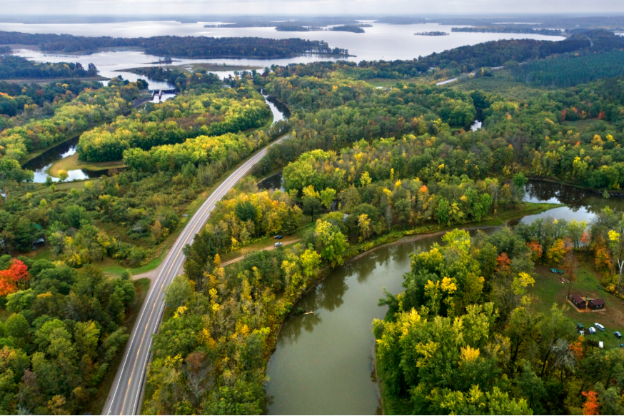
For the past three years, Talon Metals has refined its plan to open an underground nickel mine in the swampy forest just north of the tiny town of Tamarack, responding to more than 1,600 comments as part of the state Department of Natural Resource’s environmental review scoping process…
But it faces the same question that has dogged those other proposals: Can mining for copper, nickel and other precious metals, which has never been done before in Minnesota and carries more severe pollution risks than iron ore mining, be done safely in a water-rich environment?
…The next step in trying to answer that question begins (July 14), when the Minnesota DNR is expected to release documents identifying some of the potentially significant impacts of the mine, as well as what needs additional study or analysis and what new data and studies still need to be collected and conducted.
It’s also the first time the general public will be able to file comments and concerns with the state about the proposal as part of the mine’s environmental review process.
(MPR)
Talon plans to ship the mined ore to North Dakota for processing. The idea is that then they won’t need big storage ponds for toxic waste here, which is the biggest (but far from the only) issue that has rightfully hung up the planned NewRange (formerly PolyMet) mine. But there’s plenty else wrong with all of this.
No sulfide mine has operated in a water-rich environment without contaminating surface and/or groundwater with acid mine drainage, toxic metals, or both. Big Sandy Lake and Lake Minnewawa are already impaired due to excessive nutrients and toxic mercury. Round Lake, the Kettle River and the St. Croix River are already impaired due to excessive toxic mercury in fish.
Sulfate pollution from mining would increase excessive nutrients that cause algae blooms and toxic mercury contamination of fish. Sulfate may double the release of phosphorus, nitrogen, and mercury from sediments and the formation of methylmercury six-fold. Methylmercury is the type of mercury that bioaccumulates in the food chain and harms wildlife and humans who eat methylmercury-contaminated fish…
Talon has admitted that its goal is to conduct a limited environmental review, get a permit, and then continue to expand the mine to achieve its “district scale potential.”
(WaterLegacy)
Like all of the mega-mining companies Rio Tinto, the real “brains” and money behind this, has an appalling record. (More here and here.)
Supporters claim – and they love to think that they’re “owning the libs” when they do this – that the big reason we just gotta have this mine is that nickel is needed for electric car batteries.
A type of electric car battery based on iron and phosphorus that poses less of a threat to tropical forests is rapidly replacing batteries reliant on cobalt and nickel, recent data shows.
According to a report on energy transition minerals from the International Energy Agency (IEA) (in May 2025), in 2020, lithium iron phosphate (LFP) batteries made up less than a tenth of the electric car market, but by 2024 this had risen to nearly half, driving down the market share of lithium nickel manganese cobalt (NMC) batteries.The IEA said this shift – which it predicts will continue – had led its experts to revise down their estimates for cobalt and nickel demand.
(Climate Home News)
Comment from Joe Musich: Thanks Dan…I had no idea lithium iron phosphate batteries had come this far this fast. It seems I was just reading about the possible shit five minutes ago. Of course lardollini in DC is doing everything he can to stop EVs and other everyday products we could use to save the atmosphere.
Thanks for your feedback. If we like what you have to say, it may appear in a future post of reader reactions.